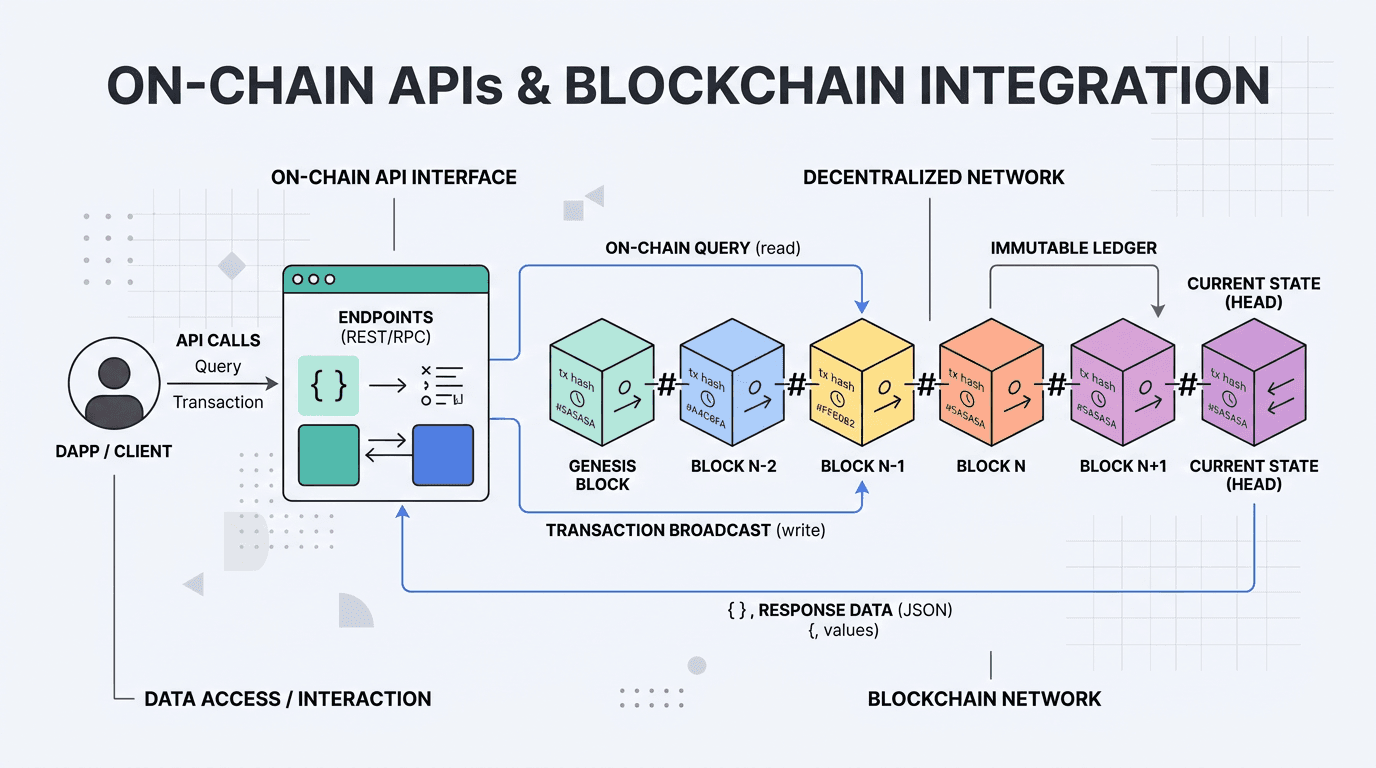
Blockchain APIs split into three camps: aggregated multi-chain data platforms, chain-specific RPCs, and multi-chain explorer APIs. This shortlist covers seven options across the major chains, with notes on when to reach for each one.
Quick comparison
| API | Chain coverage | Auth | Use case |
|---|---|---|---|
| CoinStats API | Multi-chain wallet, DeFi and portfolio coverage | API key; free tier available | Multi-chain balances, DeFi positions, portfolio analytics and market data |
| BlockCypher | Bitcoin | None (key optional) | Block, address, transaction explorer |
| Blockchair | Bitcoin (multi-chain on paid) | None (rate-limited) | Chain statistics and analytics |
| Helius | Solana | API key (free) | Wallets, NFTs, webhooks, transaction parsing |
| Solana JSON RPC | Solana | None | Core chain queries |
| Tron Network | Tron (TRONGrid) | None | Block and chain parameter data |
| CryptAPI | Multi-chain payment metadata | None | Coin and network metadata |
What "free" actually means here
For a blockchain API to qualify:
- It must offer real public endpoints, not just a paid SDK with a "free trial".
- It must work for development workloads without a credit card on file.
- It must publish documentation you can integrate against in an afternoon.
Public RPCs are real and useful, but rate-limited. For anything beyond prototypes, plan for a dedicated provider.
The first rule bends for two entries. CoinStats and Helius are commercial platforms with a documented free tier rather than open public endpoints: both need a free API key, and paid plans start where the free tier ends. Check each provider's current sign-up terms before you build on the free tier.
API options
CoinStats API
CoinStats reads balances, transactions, and DeFi positions across 120+ chains from one integration instead of one provider per network. Bitcoin coverage includes xpub, ypub, and zpub keys, so HD wallets resolve in a single call.
Use it when:
- You are building a multi-chain wallet or portfolio tracker.
- You need market prices alongside wallet and DeFi data.
- You are feeding chain data to an AI agent over MCP.
Auth is an X-API-KEY header and the free tier is credit-metered, with cost varying by endpoint. It is a data layer rather than an RPC node, so raw chain reads still need a node provider.
BlockCypher API
BlockCypher is the long-standing public API for Bitcoin block, address, and transaction explorer data. The API key is optional — you can run public endpoints without one and add a key later for higher rate limits.
Use it when:
- You are building a Bitcoin explorer, wallet, or analytics product.
- You need address-level balance and activity queries.
- You want a battle-tested API with years of uptime history.
The integration is straightforward and the docs are thorough.
Blockchair API
Blockchair provides public Bitcoin chain statistics with a focus on analytics dashboards. Heavier queries hit free-tier limits quickly, so it is best for high-level reads, not high-volume polling.
Use it when:
- You want chain-level statistics rather than per-address queries.
- You are building a market-summary or chain-health panel.
- You can stay within the free-tier query budget.
For per-address or per-transaction queries at volume, BlockCypher is usually a better fit on the free tier.
Helius API
Helius is the dominant Solana infrastructure provider, offering enhanced RPC, DAS (Digital Asset Standard), ZK Compression, Webhooks, Enhanced Transactions, and Wallet APIs. The free tier is generous enough to ship real products on.
Use it when:
- You are building anything serious on Solana — wallets, portfolio apps, NFT tools, swap webhooks.
- You need transaction parsing in human-readable form.
- You want a single provider for RPC plus auxiliary services.
For Solana production work, this is the default choice. The integration model is a simple API key in a query parameter.
Solana JSON RPC
Solana JSON RPC is the public mainnet endpoint for direct chain queries. Use it for chain health, slot lookups, and basic state queries — no key required.
Use it when:
- You are prototyping on Solana and don't want to register anywhere.
- You are running occasional health-check queries.
- You want the official endpoint without a third-party in the middle.
For anything beyond prototypes, the public endpoint will throttle you. Move to Helius or a dedicated RPC provider before going to production.
Tron Network
Tron Network exposes public TRONGrid endpoints for block and chain-parameter data. It is the equivalent of the public Solana RPC for the Tron ecosystem.
Use it when:
- You are building a Tron-based product or dashboard.
- You need basic chain state (latest block, parameters, etc.).
- You can work within the public endpoint's rate limits.
For high-throughput production use on Tron, similar caveats apply — move to a paid provider.
CryptAPI
CryptAPI exposes public metadata endpoints for supported coins and core payment parameters (minimum transaction sizes, network fees).
Use it when:
- You are building a crypto payment integration and need coin metadata.
- You want fee threshold helpers for a payment UI.
- You are doing pre-flight checks before a real payment integration.
It is metadata-focused — for actual payment processing, you will use it alongside the chain-specific APIs.
Picking the right one
Match the API to the chain and use case:
- Multi-chain wallet, portfolio or DeFi product → CoinStats API.
- Solana-specific RPC and transaction parsing → Helius.
- Basic Solana prototype → Public Solana JSON RPC.
- Bitcoin explorer queries → BlockCypher (per-address) or Blockchair (chain stats).
- Tron prototype → Public TRONGrid.
- Crypto-payment metadata → CryptAPI.
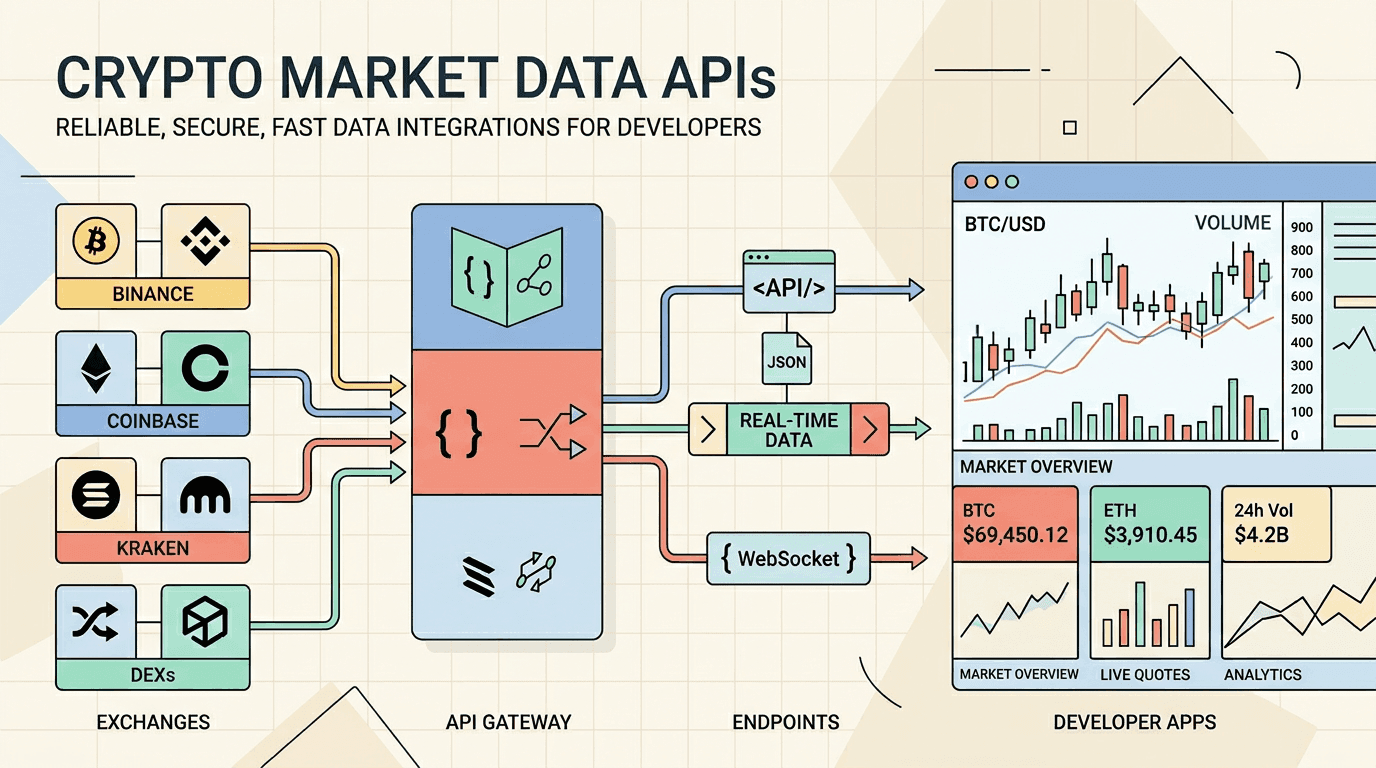
Most production crypto products end up combining layers: an aggregated data API for wallet, portfolio, and market views, a dedicated provider for the primary chain (Helius for Solana, a paid Bitcoin RPC for BTC), and public endpoints for occasional cross-chain reads.
When not to use these APIs
These APIs cover a lot of ground, but they are not the right fit when you need:
- High-frequency trading-grade chain reads. Public RPCs throttle, and free tiers cap. For that workload, run your own node or use a dedicated provider.
- Complete multi-chain coverage from one API. Aggregated APIs such as CoinStats read balances and transactions across 120+ chains, but no single free API covers every chain with full node-level features. Expect to integrate per-chain for anything beyond reads.
- Custodial wallet infrastructure. Read APIs do not solve key custody. For that, use specialized custody providers.
Related API Deposu entries
Sources
Frequently Asked Questions
›Which blockchain API works without any sign-up?
BlockCypher (Bitcoin), Blockchair (Bitcoin), Solana's public JSON RPC, Tron's public TRONGrid endpoints, and CryptAPI all expose public endpoints without authentication. CoinStats and Helius require a free API key instead.
›Which API covers wallet balances and DeFi positions across chains?
CoinStats is the closest fit in this list: one authenticated REST API returns market data, wallet balances, DeFi positions, and portfolio analytics. It is aggregated data rather than raw node access, so pair it with a chain-specific RPC when you need JSON-RPC calls.
›What is the best free API for Solana on-chain data?
For basic chain queries, the public Solana JSON RPC works without a key. For wallet apps, NFT metadata, transaction parsing, or webhooks, Helius is the dedicated infrastructure choice with a generous free tier.
›Are public RPC endpoints production-safe?
Public RPCs work for prototypes and light traffic but are rate-limited and offer no SLA. For production, use a dedicated provider like Helius for Solana or run your own node.
›Can I accept crypto payments with these APIs?
CryptAPI is the closest fit — it exposes payment-related metadata for multiple coins. For full payment processing, you will pair it with the relevant chain's APIs to track incoming transactions.